Pronounced as one letter, And written with three, Two letters there are, And two only in me. I’m double, I’m single, I’m black, blue, and gray, I’m read from both ends, And the same either way.
Eye. It’s pronounced like the letter ‘i’, but written with three letters. There are only two letters used (‘e’ and ‘y’). The eye is double with two ‘e’s and represents a single eye. The eye is made up of various colors, some of which are black, blue and gray. And lastly, the eye is a palindrome, spelled the same forward and backward.
You walk into a room and see a bed. On the bed there are two dogs, four cats, a giraffe, five cows and a duck. There are also three chickens flying above the bed. How many legs are on the floor?
Since all of the animals are on the bed and no other furniture is mentioned in the room, there are six legs on the floor. Four legs from the bed and your own two legs as you stand in the room, amazed that someone managed to get so many animals onto a bed. And the ceiling must be vaulted to fit a giraffe. Also, who’s on cleanup duty?
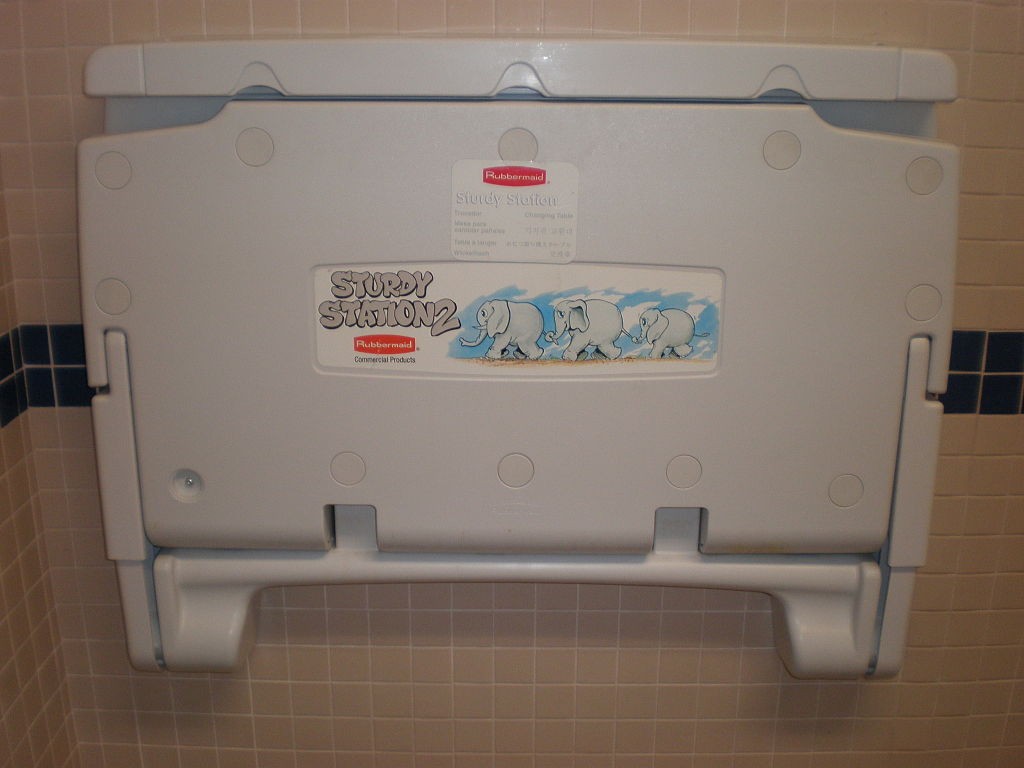
At Coney Island (the amusement park in Ohio) over Memorial Day weekend I saw a changing station in the men’s bathroom. A clever fellow had scraped off some letters to make the changing station read, “Turd Station”. What was the original name of the changing station?
A tornado or a hurricane. The calm area in the middle of such a storm is called the eye and wind speeds can reach up to 300 mph in an extreme tornado. Neither one have any arms or legs, but that doesn’t stop them from moving, does it?